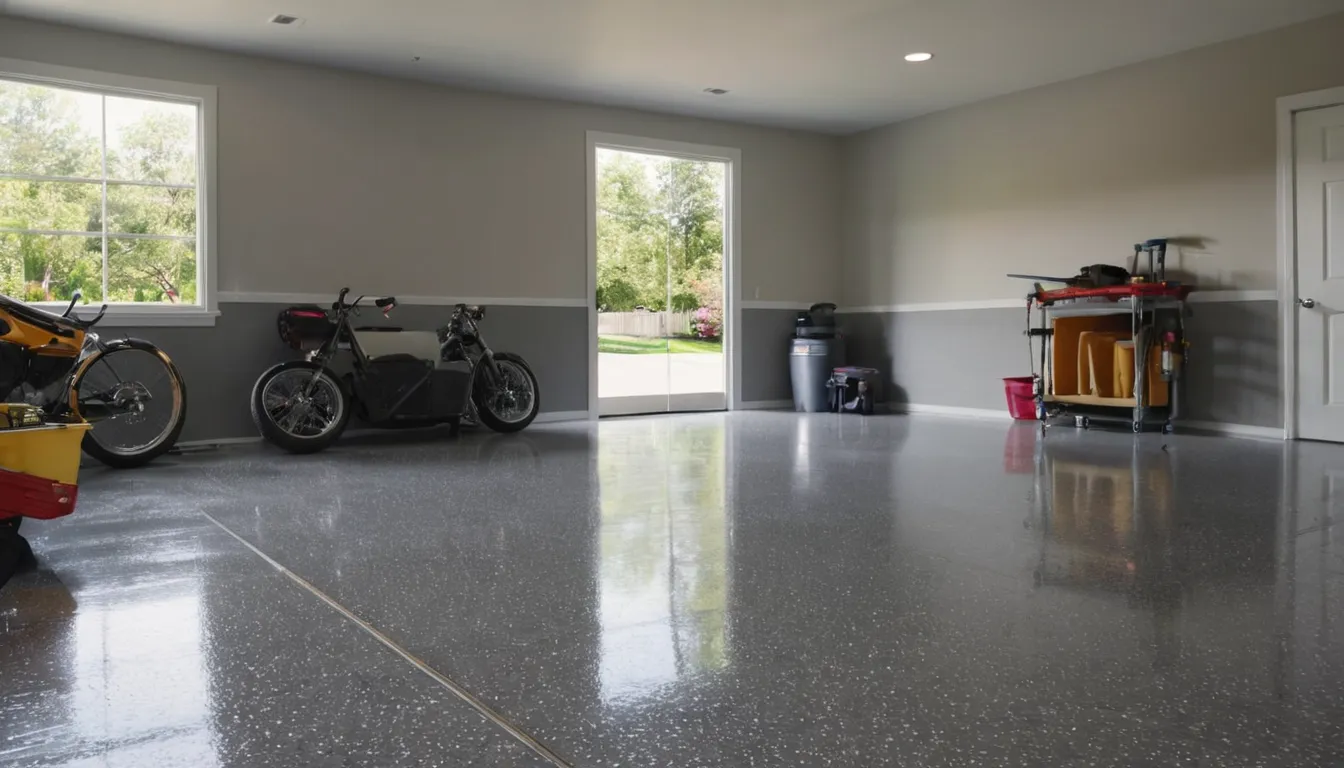
Polyaspartic Floor Coating, Explained in Plain English
Compare, then decide with no pressure
Polyaspartic is a type of clear or colored coating for concrete. It dries fast and holds up well to car tires, sun, and spills. Many garage owners pick it because the job can take less time than other coatings.
Timingfelt Floor Coating is a referral service. We do not coat floors. We connect you with independent providers in our network near DISH. You can ask questions, compare estimates, and take your time. If you have never coated a floor before, start here. This page explains each step in short, simple words so you know what to expect before you talk to anyone.
Need Your Garage Back Quickly?
Many people look at polyaspartic because it cures fast. Cure means the coating hardens until it is ready to use. Some providers can finish a garage in about a day or two. Time depends on the floor, the weather, and the system they use.
That speed matters if you park in the garage every day. It also matters if you are packing for a move or getting ready for a family event.
Request a callback to check provider availability in your area.
What Polyaspartic Actually Is
Polyaspartic is a coating made from a special plastic-like resin. A resin is a thick liquid that turns hard. Polyaspartic resin cures quickly and stays clear, so it resists yellowing in sunlight.
Providers use it as a top layer. They also use it as a full coating system. Both choices turn bare concrete into a smooth, sealed surface.
How It Differs From Epoxy
Epoxy is the older, well-known garage coating. It is thick and bonds well to concrete. Polyaspartic is thinner and cures faster.
Here are the main differences:
- Cure time: Polyaspartic is often ready sooner than epoxy.
- Sunlight: Polyaspartic usually resists yellowing better. This helps in a garage with big windows or an open door.
- Price: Polyaspartic often costs more per square foot.
- Working time: It sets fast, so the provider must move fast too.
Neither one is right for every garage. Ask a provider which fits your floor.
Full Polyaspartic or Hybrid System?
A full system uses polyaspartic for every layer. A hybrid system uses epoxy as the base and polyaspartic as the top coat. Hybrid is common because epoxy bonds well and polyaspartic protects the surface.
A full system can finish sooner. A hybrid can cost less. Ask each provider to explain their layers in plain words and to put them in writing.
The Installation Process
The steps are simple once you see them in order.
1. Check the slab. The provider looks for cracks, stains, and damp spots. 2. Grind the floor. A machine with a diamond wheel roughens the concrete so the coating can grip. 3. Fix cracks. Small cracks and chips get filled and smoothed. 4. Apply the coats. The base goes down first, then color flakes if you want them, then the clear top coat. 5. Let it cure. You wait before walking and driving on it.
Ask how long to stay off the floor. Foot traffic and car traffic often have different waiting times.
Where Polyaspartic Works Well
Garages are the most common spot. It also suits porches, patios, workshops, basements, and covered outdoor areas. Some people ask about custom floor finishes, such as metallic looks or stone-like blends. Many providers offer those too.
If you want hardwood flooring installation inside your home, that is a different job. Polyaspartic is for concrete, not wood.
Weather and Timing
Hot, humid summers can affect how a coating cures. Heat makes it set faster. Humidity can cause problems if moisture sits in the slab. Many slab homes have no barrier under the concrete, so moisture can rise from the ground.
A good provider tests the floor first. They may also pick early morning hours when it is cooler. Tropical storm season can delay work, so ask about rain plans.
Mild winters help, because the concrete rarely gets too cold. A very hot garage attic can still warm the space, so ask how the provider handles heat.
Choosing Colors and Flake Blends
Flakes are small colored chips pressed into the wet coating. They hide small flaws and add grip. You can pick a light gray, a dark tan, or a mix of several colors.
Lighter floors show dust and brighten a dim garage. Darker floors hide tire marks better. Ask to see a sample board in your own garage light before you choose.
Caring for a Polyaspartic Floor
Care is easy. Sweep often. Mop with mild soap and water. Wipe up oil, antifreeze, and other spills soon.
Avoid harsh scrapers and dragging heavy metal across the surface. Use mats under jack stands. Ask the provider for care tips that match your product.
Questions to Ask the Installer
Ask before you sign. These questions help:
- What layers will you use, and how thick are they?
- How will you prep the concrete?
- How do you check for moisture?
- How long before I can drive on it?
- What does the written warranty cover?
- What happens if the coating peels?
Request a callback to talk through your options with a provider in our network.
Compare Estimates Without Pressure
Get more than one written estimate if you can. Look at the layers, the prep work, and the warranty, not just the price. A low number can mean thin coats or weak prep.
There is no obligation to hire anyone. Take your time.
What's Included
Fast Curing
Many jobs finish in one to two days, so you can use your garage again sooner.
Sun-Resistant Finish
The clear top layer resists yellowing from sunlight better than many older coatings.
Slab Prep Work
Providers grind the concrete and fill cracks so the coating grips and lasts longer.
Color Options
Choose flake blends, solid colors, or custom finishes to suit your home.
Typical Polyaspartic Floor Coating Costs in the U.S.
Prices vary by floor size, slab condition, and the system used. These are typical U.S. ranges only. Local prices may differ. Always get a written quote that lists each layer and each task.
| Item | Typical range | Notes |
|---|---|---|
| Two-car garage, full polyaspartic | $3,000 – $7,000 | Fast cure, often higher price |
| Hybrid epoxy and polyaspartic | $2,500 – $6,000 | Epoxy base, polyaspartic top coat |
| Per square foot | $5 – $12 | Depends on layers and prep |
| Concrete grinding and prep | $0.75 – $2 per sq ft | Often included in the quote |
| Crack and chip repair | $100 – $500 | Depends on how much damage |
| Decorative flakes or custom finishes | $1 – $4 per sq ft | Varies by blend and style |
How It Works
Share Your Project
Tell us your garage size, current floor condition, and what look you have in mind.
Get Matched Locally
We connect you with an independent provider in our network near DISH.
Compare Written Estimates
Review the layers, prep, and warranty from each provider you speak with.
Decide at Your Pace
Pick a provider only when you feel ready. Ask before you sign.
Why Call Timingfelt Floor Coating
Clear, Simple Explanations
We explain each part of the job in short words so a first-timer can follow along.
Independent Providers
You talk with local providers in our network who do the actual work.
Compare Estimates
Ask questions and weigh more than one quote before you choose anyone.
No Pressure
Requesting an estimate carries no obligation, so you set the pace.
Other Services
Need polyaspartic floor coating in DISH?
Thinking about a garage or concrete floor? Send a request, or Request a callback to check provider availability. There is no obligation.
No obligationPolyaspartic Floor Coating FAQ
How long does polyaspartic take to cure?
Polyaspartic cures faster than most epoxy. Many providers finish a garage in one to two days. Foot traffic may be fine in several hours, while cars often need longer. Ask your provider for exact waiting times for your product and weather.
Is polyaspartic better than epoxy for a garage?
It depends on your needs. Polyaspartic cures faster and resists sunlight yellowing, but it often costs more. Epoxy bonds well and can cost less. Many homes use a hybrid of both.
Can polyaspartic go over old or cracked concrete?
Often yes, after prep. The provider grinds the surface and fills cracks first. Deep damage or a damp slab may need extra work. Ask the provider to check your floor and explain the plan in writing.
Get in touch
Thinking about a garage or concrete floor? Send a request, or Request a callback to check provider availability. There is no obligation.
No obligation