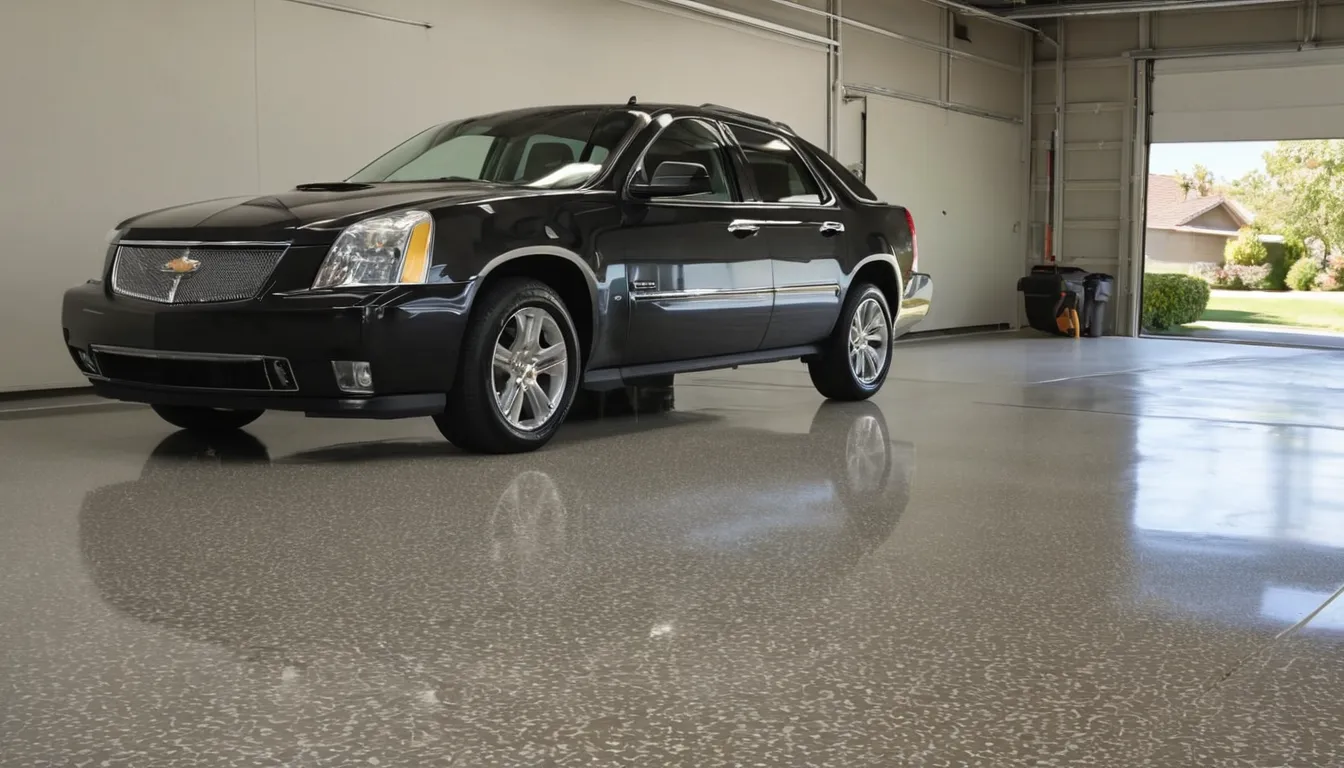
Epoxy Garage Floors: A Simple Guide for First-Timers
Request an estimate and compare, then decide
An epoxy garage floor is a hard plastic-like coat that bonds to your concrete. It seals the slab, hides small flaws, and makes spills easy to wipe up. Many homes here have a plain slab that stains, sheds dust, and sweats in humid weather. A coat can help with all three.
Timingfelt Floor Coating does not do the work. We connect you with independent providers in our network near DISH. You can request an estimate, ask questions, and compare offers at your own pace. There is no obligation. This page explains the job in short, simple words, so your first talk with a provider feels calm and clear.
Garage Floor Getting Worse? Start Here
Look at your floor in good light. Do you see peeling paint, oil stains, or fine gray dust? Do you see cracks or flaking chips? These are signs the slab is wearing out. Hot tires can also lift old paint in a hurry.
If the floor is only dusty, you have time to plan. If chunks are breaking loose, act sooner. Loose pieces can trip you and let water get under the slab surface.
Request a callback to check provider availability in your area. Many providers can respond quickly to a first question.
What Epoxy Is, in Plain Words
Epoxy is a two-part liquid. You mix a resin with a hardener. The mix cures into a hard, glossy layer. Cure means it turns from wet to solid.
It is not the same as paint. Paint sits on top and peels. Epoxy bonds into the pores of the concrete when the slab is prepared well.
Why Prep Matters More Than the Product
This is the most important idea on the page. Most failed floors fail because of poor prep, not a weak coating.
Good prep means the provider grinds the slab. Grinding uses a machine with diamond pads to scrape off the top skin of concrete. This opens the surface so the coat can grip. Acid washing is a weaker shortcut, so ask about it.
The provider should also fix cracks and chipped spots first. Oil that soaked into the slab may need special cleaning.
Common Epoxy Floor Systems
Providers offer a few styles. Here is how they differ.
Solid Color
One color rolled over the whole floor. It is simple and costs the least of the three.
Flake Systems
Small colored chips are tossed into the wet coat. They add grip and hide dirt and flaws. Many homeowners pick this style.
Metallic and Custom Floor Finishes
Metallic pigments swirl like marble. Some providers also do custom floor finishes with logos or borders. These take more skill and more time.
What a Typical Install Looks Like
A provider usually walks the garage first and checks the slab. Then the work runs in stages.
- Grind the surface and vacuum the dust.
- Repair cracks and low spots.
- Roll on the base coat.
- Add flakes or color, if you chose them.
- Apply a clear topcoat.
Most garages take a few days from start to finish, though timing varies by provider and job.
Humid Weather and Moisture Checks
Our summers are hot and wet, and storm season brings heavy rain. Concrete can hold moisture. Trapped moisture can push a coat up and make bubbles.
Ask the provider how they test the slab. A simple plastic sheet test or a meter reading shows how much vapor comes through. Ask what they do if the reading is high. Some slab-on-grade homes need a moisture-blocking primer.
Topcoats and Sun Exposure
A topcoat is the clear top layer. It guards against scratches, chemicals, and wear.
Standard epoxy can turn yellow in strong sun. If your garage door faces the sun or stays open often, ask about a UV-stable topcoat. UV is the part of sunlight that fades color.
Getting the Garage Ready
You will have some homework. It is simple.
- Empty the garage, including shelves and wall items.
- Move cars, bikes, and tools to a safe spot.
- Clear a path to a power outlet.
- Tell the provider about pets and kids.
The garage gets hot in summer, so ask about working hours and fresh air while the coat cures.
Caring for Your New Floor
Give the floor a few days before parking on it. The provider will tell you the exact wait.
After that, care is easy. Sweep often. Mop with mild soap and water. Wipe spills when you see them. Use a soft mop, not a stiff brush. Felt pads under heavy tool boxes help prevent scratches.
Hot tires can still mark some floors, so ask what your topcoat can handle.
Comparing Estimates Without Pressure
Get more than one estimate if you can. Do not just look at the price. Look at what each one includes.
Check the square footage, the prep method, the number of coats, and the topcoat. A low quote with no grinding is not the same as a fair quote with grinding. Compare, then decide.
Ask Before You Sign: Questions for the Installer
- How will you prepare the slab?
- How do you test for moisture?
- What system and topcoat do you suggest, and why?
- How long before I can walk and park on it?
- What does the written warranty cover, and for how long?
- Who does the work on site?
Get answers in writing. A good provider will be glad to explain.
Other Floor Jobs at the Same Time
Some providers also handle hardwood flooring installation inside the house or other concrete coating jobs. If you have more than one project, mention it when you request an estimate. Ask each provider what they actually offer.
Is Epoxy Right for Your Garage?
Epoxy suits most sound slabs. It is less ideal on a slab with serious moisture or deep damage. A provider can tell you after a quick look.
When you are ready, request an estimate. There is no obligation, and you can take your time.
What's Included
Slab Check
A provider looks at cracks, stains, and moisture before suggesting any coating for your garage.
Surface Grinding
Diamond grinding opens the concrete so the epoxy can grip and last through daily use.
Crack and Chip Repair
Small cracks and chipped spots get filled and leveled before any color goes down.
Color and Topcoat
Pick solid, flake, or metallic, then add a clear topcoat for wear and sun.
Typical Epoxy Garage Floor Costs
Prices vary by garage size, slab shape, and the system you pick. These are typical U.S. ranges only. Local rates differ, so ask each provider for a written quote that lists every step and material.
| Item | Typical range | Notes |
|---|---|---|
| Basic solid-color epoxy | $3 – $7 per sq ft | Simple look, good for sound slabs |
| Flake system | $5 – $10 per sq ft | Adds grip and hides flaws |
| Metallic or custom finish | $8 – $15 per sq ft | More skill and time needed |
| Grinding and prep | $1 – $3 per sq ft | Often included in the full price |
| Crack and spall repair | $200 – $800 | Depends on how much damage exists |
| Typical two-car garage total | $1,500 – $5,000 | Size and system change the final number |
How It Works
Share Your Garage
Tell us the size, the floor condition, and the look you want.
Get Matched Locally
We connect you with independent providers in our network near you.
Compare Written Estimates
Review prep, coats, topcoat, and timing side by side before you choose.
Pick and Schedule
Choose your provider, set a date, and clear the garage before work starts.
Why Call Timingfelt Floor Coating
Plain Answers
Every trade word gets a short meaning, so you know what each estimate line says.
Compare Offers
Look at more than one local provider and weigh them side by side.
No Pressure
Request an estimate, ask questions, and take your time. There is no obligation.
Local Providers
Independent providers in our network know our humid climate and common slab homes.
Other Services
Need epoxy garage floors in DISH?
Thinking about a garage or concrete floor? Send a request, or Request a callback to check provider availability. There is no obligation.
No obligationEpoxy Garage Floors FAQ
How long does an epoxy garage floor last?
With good prep and a quality topcoat, many floors last ten years or more. Wear, hot tires, sun, and moisture all matter. Ask the provider what warranty they offer and what it covers in writing.
Can epoxy go over cracked concrete?
Often yes, after repair. A provider fills small cracks and levels chipped areas first. Large or growing cracks may point to a deeper slab problem, so ask for an honest look before you sign.
How long before I can park on a new epoxy floor?
Most floors take a few days before cars can park, and full cure can take longer. The exact time depends on the product, the weather, and the provider. Ask for the wait in writing.
Get in touch
Thinking about a garage or concrete floor? Send a request, or Request a callback to check provider availability. There is no obligation.
No obligation